Frame Options & Artwork Care
See the gallery’s standard frame-and-mat presentation, learn what to expect when a work is sold framed, and review preservation-minded guidance for originals, lithographs, drawings, and Giclée reproductions.
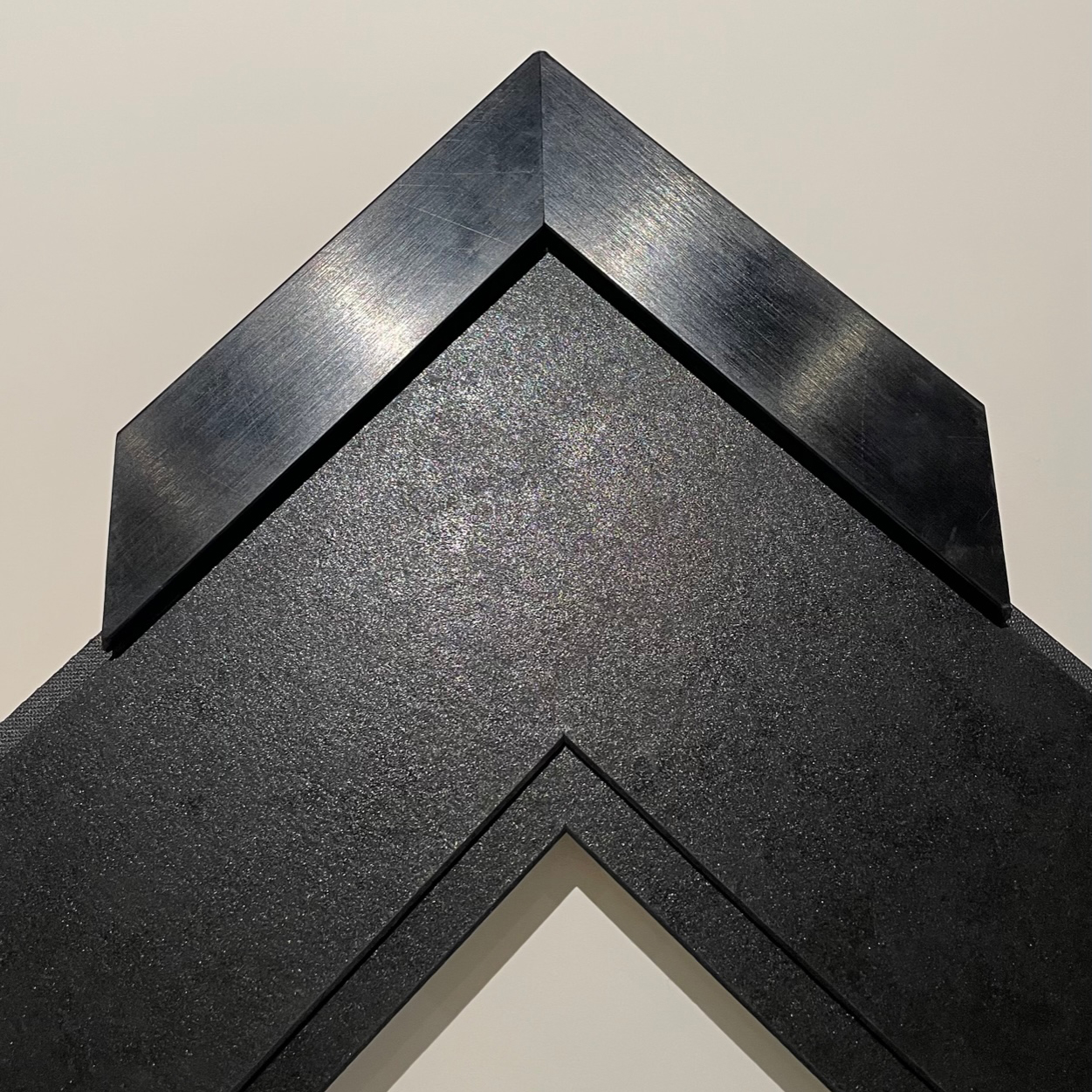
Gallery Frame Option
What to expect with a framed work
When an artwork is offered and purchased as framed, it will reflect the gallery’s standard presentation. The finished dimensions will be larger than the listed artwork dimensions to account for the mat and frame.
Because many works are original, hand-finished, or individually framed, final measurements and presentation details may vary slightly.
Black frame with black mat. The exact frame profile, mat proportions, and finished size may vary by artwork, size, and availability.

Framing Your Artwork
Protect the work without competing with it.
Whether you are framing an original, lithograph, drawing, Giclée reproduction, or another paper-based work, choose a qualified local framer with experience handling fine art. The frame should support the artwork visually while the mounting, matting, backing, and glazing help protect it over time.
R.C. Gorman Giclée reproductions are printed on 100% cotton rag paper with archival inks and may include hand-torn edges. Discuss the paper, edges, and preferred presentation with your framer before any mounting begins.
- Confirm the artwork type and exact dimensions before selecting a frame or mat.
- Ask about archival mat board, backing, hinge methods, spacers, and other conservation-aware materials.
- Discuss float mounting when deckled or hand-torn edges should remain visible.
- Keep the artwork surface from touching the mat or glazing where pressure, moisture, or acidity could cause damage.
- Compare UV-protective glass and acrylic based on clarity, weight, safety, and the artwork’s display location.
- Avoid leaving shipped paper artwork rolled longer than necessary before professional framing.

Preservation Decisions
Three framing choices matter most.
Frame style is personal, but the materials and methods behind the presentation directly affect the artwork’s long-term care.
Mounting and materials
Use archival, reversible methods whenever possible. Original paper works should not be exposed to excessive pressure, permanent adhesives, or acidic mats and backing.
Glazing and protection
Glass and acrylic differ in weight, clarity, breakage risk, and UV protection. Spacing should prevent the artwork from resting directly against the glazing.
Display environment
Hang the finished work away from harsh direct sunlight, excess humidity, and rapid temperature changes whenever possible.
Before You Frame
Questions about a specific R.C. Gorman work?
The gallery can help confirm the artwork type, listed dimensions, and relevant preservation considerations before you commit to a frame design.