The surface may be cut, abraded, masked, or chemically etched to create marks and tonal differences.
Medium Guide
Mediums
A collector-focused guide to the studio mediums, printmaking processes, and material surfaces represented across R.C. Gorman original artwork.
Medium Library
Compare process, surface, and collector details.
Select a medium below to review how it is made, what collectors should notice, and where related artwork examples live in the gallery.
Medium Guide
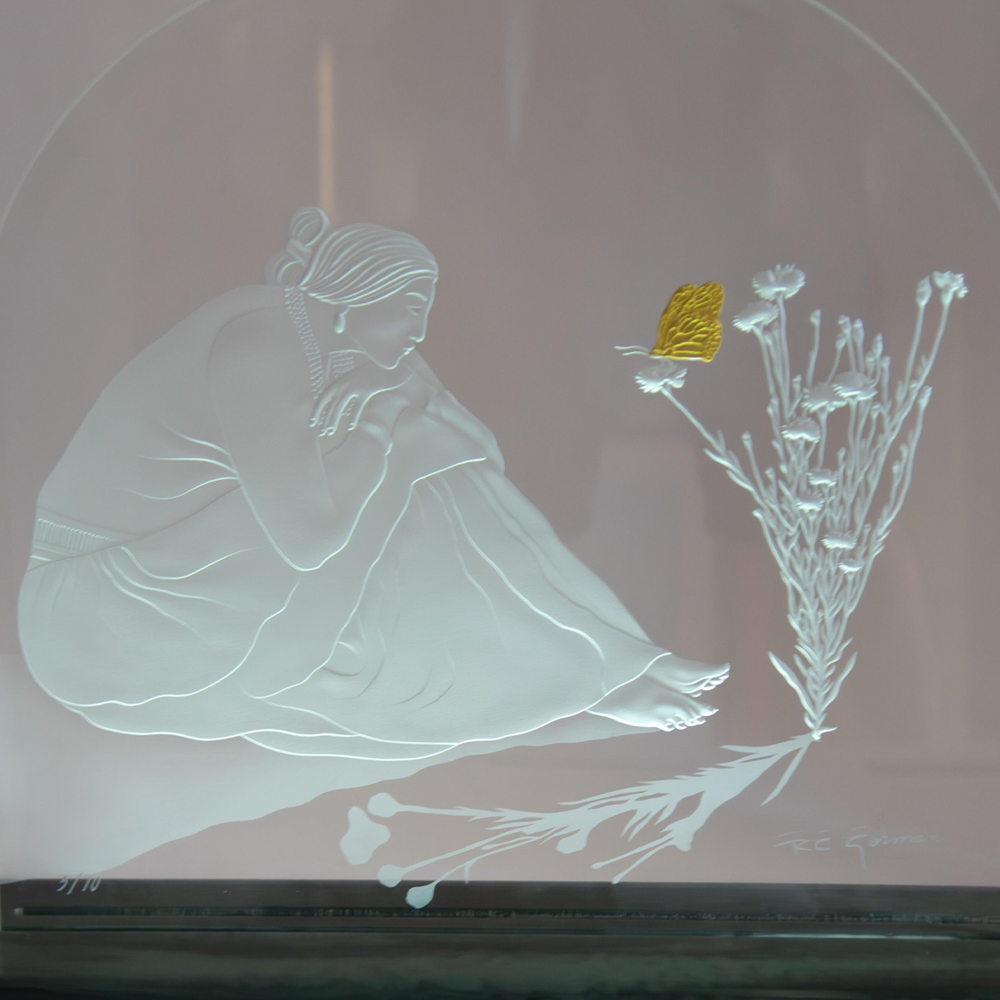
Etched Glass
Etched glass uses the surface of glass as image field. Light, transparency, and edge quality become part of the viewing experience.
Collectors should review chips, scratches, mounting, surface clarity, and display safety.
A glass medium where the surface is cut, abraded, or chemically altered to create image and light effects.
Medium Guide
Stone Lithograph
Stone Lithographs are among the most recognizable R.C. Gorman original print mediums. The image begins with a drawing on stone or prepared plate, then each color is printed in careful sequence.
Unlike offset reproduction, a Stone Lithograph is pulled from the artist's prepared surface. Registration, pressure, ink, and the drawn surface all contribute to subtle variation from impression to impression.
Collectors often look for hand signing, numbering, edition information, condition, color integrity, and provenance. Gorman's use of graded color and strong figure-ground relationships makes the medium especially important to understand.
A hand-pulled print made from an artist-drawn stone or plate, valued for tonal range, color layering, and the presence of the artist's hand.
Medium Guide
Serigraph
Serigraphs are original screenprints created through a stencil-based process. Each color is applied through a prepared screen, allowing clean shapes and vivid color relationships.
The image is built one layer at a time. As colors are pulled through the screen, the final surface can hold both precision and a strong sense of handmade production.
For collectors, edition information, signature, paper condition, and color strength are key. Serigraphs often reward close looking because the layered color is part of the visual language.
A screenprint built in layers of ink, often recognized for crisp shapes, saturated color, and graphic clarity.
Medium Guide
Etching
Etchings are made from an incised or chemically bitten plate. The medium is valued for line quality, pressure, and the tactile impression left by the printing process.
Ink is worked into the recessed areas of the plate and transferred to dampened paper under pressure. This creates a printed line with depth and character that differs from surface printing.
Look closely at plate marks, paper condition, signature, and edition details. Etchings can be quieter than color prints, but their strength is often in line and restraint.
An intaglio printmaking method known for delicate line, plate tone, and subtle surface depth.
Medium Guide
Monoprint
Monoprints occupy a special place between painting and printmaking. They use print processes, but the finished impression is unique rather than part of a conventional edition.
Color, marks, and surface effects are arranged on a plate or prepared surface, then transferred to paper. The result often carries gesture, atmosphere, and singular variation.
Because each monoprint is unique, collectors should evaluate it like an original work: surface, condition, composition, signature, and provenance all matter.
A one-of-a-kind print that combines printmaking structure with painterly variation.
Medium Guide
Linocut
Linocuts are relief prints. Areas cut away from the block remain unprinted, while the raised surface carries ink to paper.
The artist or printer carves the surface, inks the raised image, and transfers it under pressure. The medium often emphasizes simplified forms and decisive mark-making.
Collectors should look for clean impression quality, paper condition, edition information, and the expressive character of the carved line.
A relief print made from a carved linoleum block, often marked by bold edges and strong contrast.
Medium Guide
Woodblock
Woodblock prints are made from carved wood surfaces. The grain and carved image can both affect the final impression.
Raised areas of the block receive ink and print to paper. Depending on the block and pressure, the result may show strong edges, texture, and deliberate simplification.
Condition, paper, signature, edition, and impression strength are important. The medium often appeals to collectors who appreciate direct process and material presence.
A relief print carved from wood, valued for texture, contrast, and the character of the block.
Medium Guide
Papercast
Papercasts bring dimensional texture into the artwork. The surface is formed rather than only printed or drawn, creating relief and shadow.
Paper pulp or damp paper is shaped against a mold or surface, then dried into a dimensional sheet. The result can hold contour, texture, and sculptural weight.
Surface condition is especially important. Look for stable edges, clean dimensional areas, and careful handling or framing that protects the relief.
A dimensional paper work formed from pulp or cast paper, giving the surface sculptural presence.
Medium Guide
Oil Pastel
Oil pastel gives original works a rich, immediate surface. It can hold saturated color, soft transitions, and visible handwork.
Pigment bound with a waxy or oil-based medium is applied directly to the surface. Marks can be layered, blended, or left visibly textured.
Because the surface can be sensitive, framing and condition are important. Collectors should pay attention to smudging, surface stability, color, and provenance.
A direct drawing medium with dense pigment, soft blending, and expressive surface marks.
Medium Guide
Acrylic Paintings
Acrylic paintings are original works in a versatile modern paint medium. Acrylic can support broad color fields, crisp edges, and layered surfaces.
Acrylic dries relatively quickly, allowing the artist to build forms and color relationships in layers. The surface may range from flat and graphic to visibly textured.
Collectors should review surface condition, support, varnish or finish, signature, and provenance. Acrylic originals are evaluated as unique works rather than editions.
Original paintings made with acrylic pigment, often carrying vivid color, layered surfaces, and crisp form.
Medium Guide
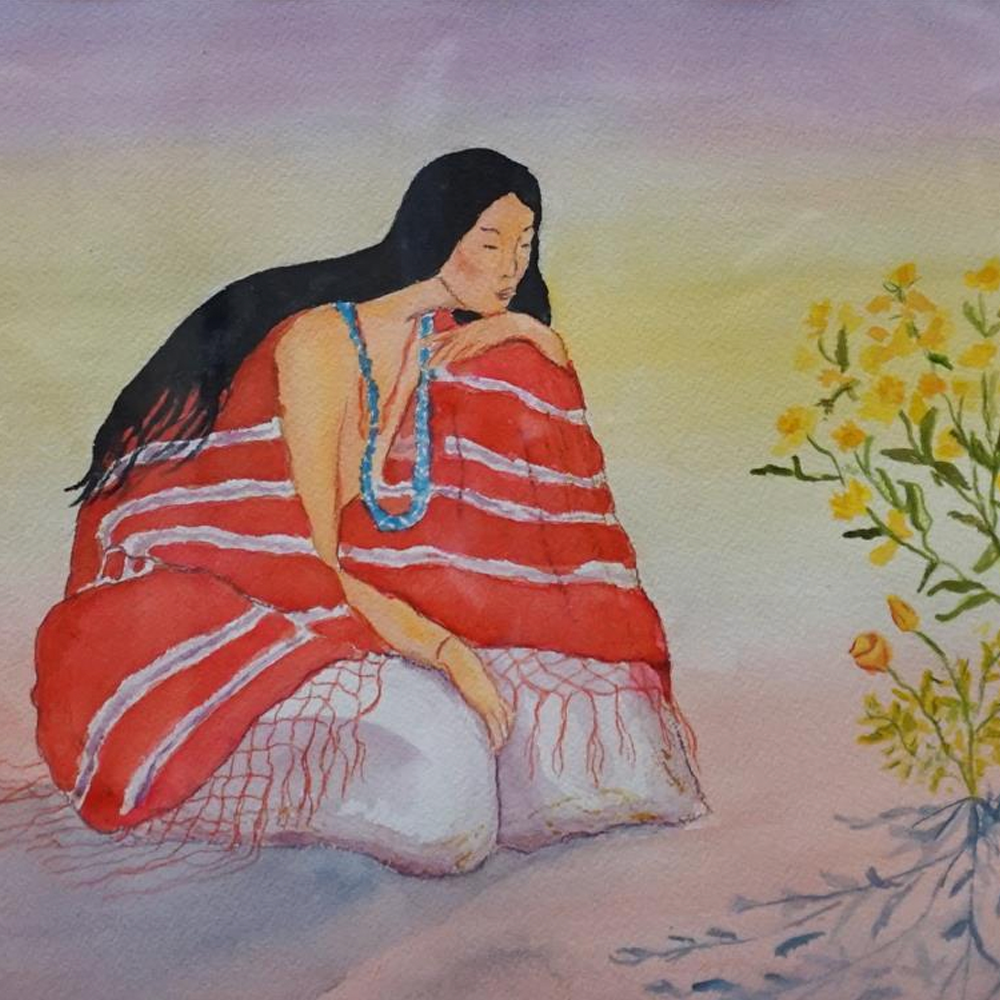
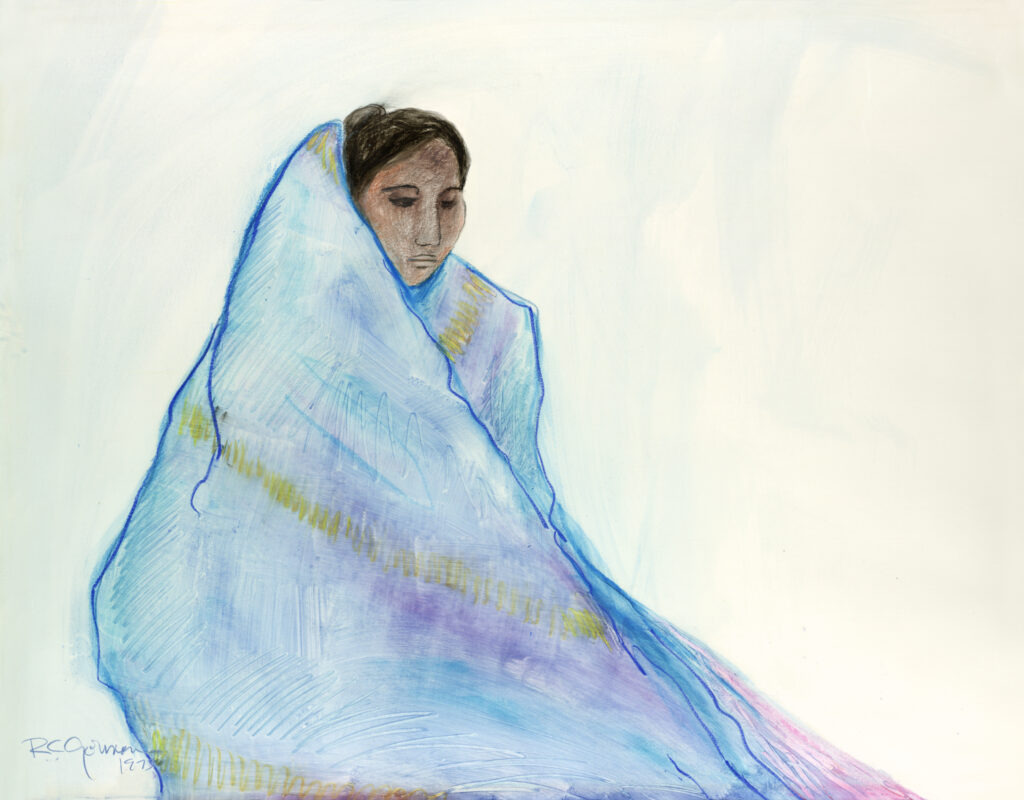
Watercolor
Watercolor relies on pigment suspended in water and absorbed by paper. Its beauty often comes from transparency, restraint, and the movement of washes.
Pigment is carried by water across paper. Layering, drying time, and paper texture shape the final result.
Light exposure, paper condition, and framing are critical. Collectors should look for stable color, clean paper, and proper conservation materials.
A transparent painting medium valued for luminosity, fluid washes, and paper sensitivity.
Medium Guide
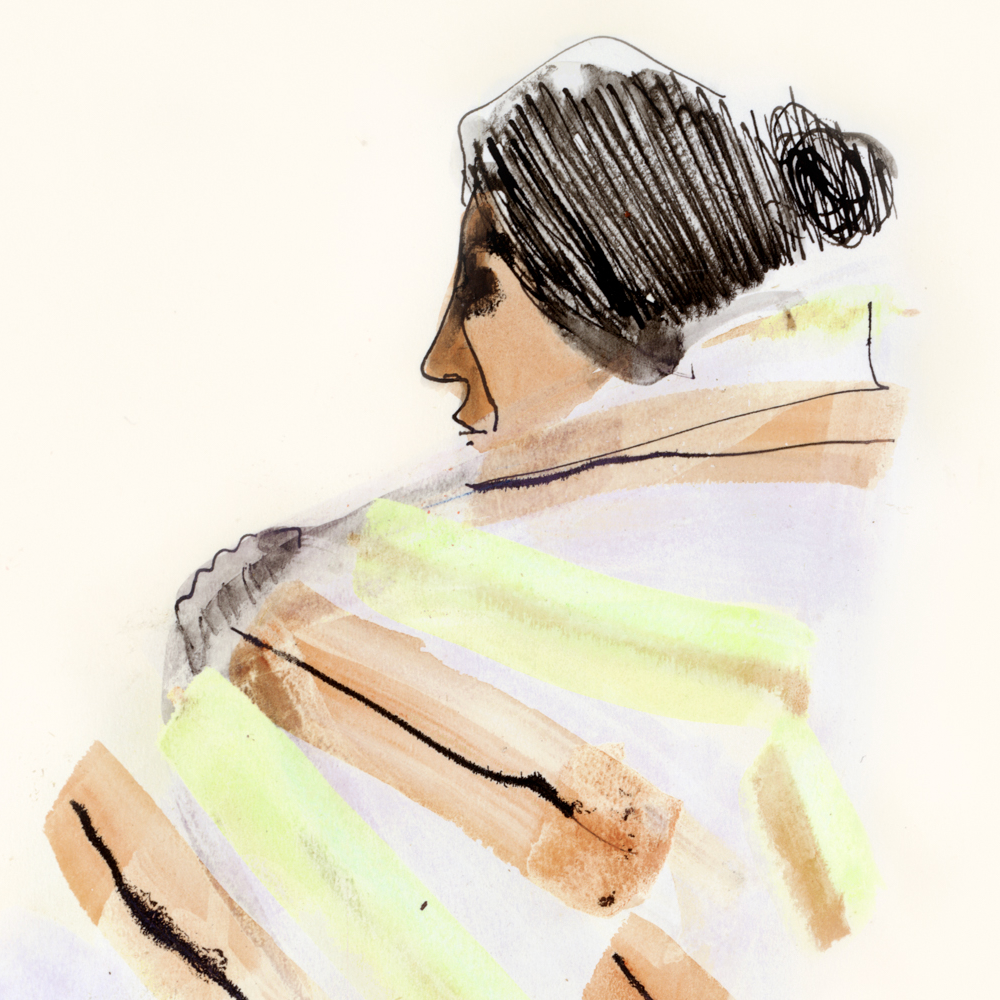
Wash
Wash work uses diluted pigment to create tonal passages and atmosphere. It can support subtle modeling and broad fields of quiet color.
Diluted ink or paint is brushed across the surface in controlled or fluid passages. Absorption, drying, and layering all influence the effect.
Paper condition, staining, fading, and surface stability matter. The medium often rewards close viewing for tonal nuance.
A fluid application of diluted pigment or ink, often used for tone, atmosphere, and soft transitions.
Medium Guide
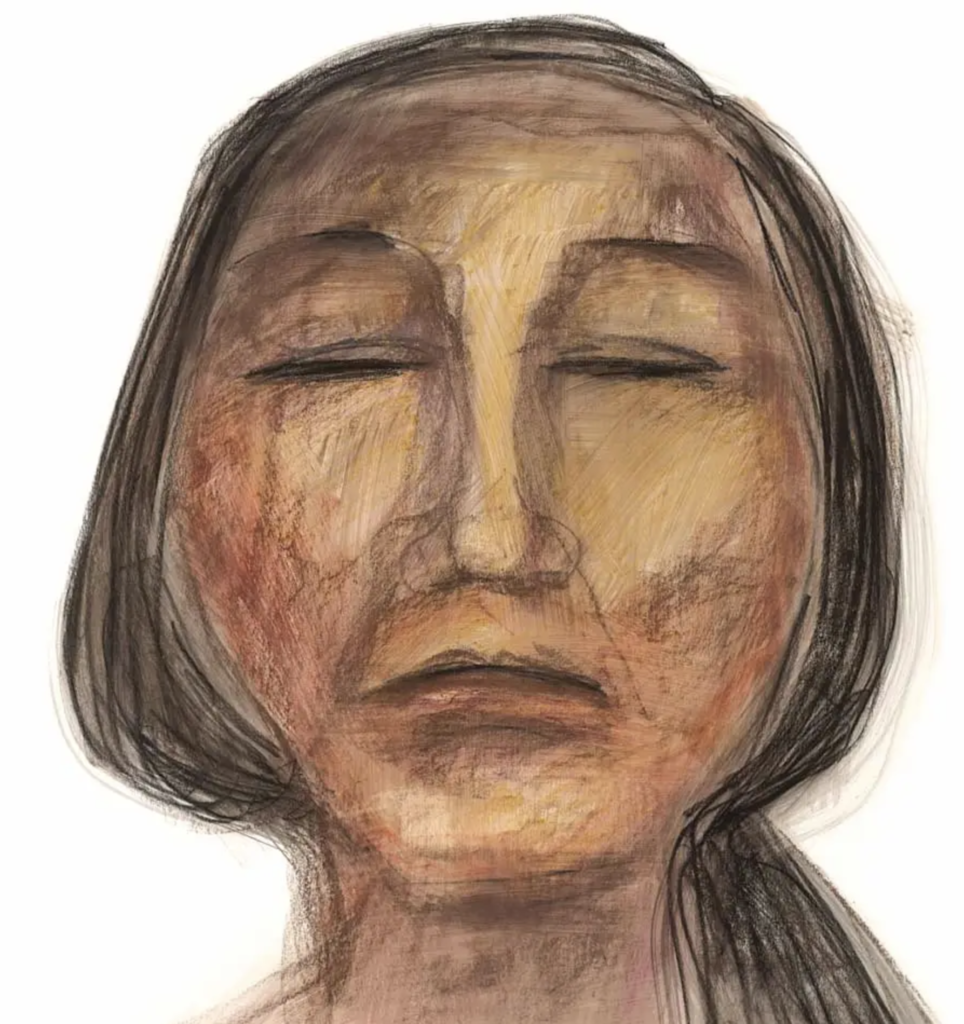
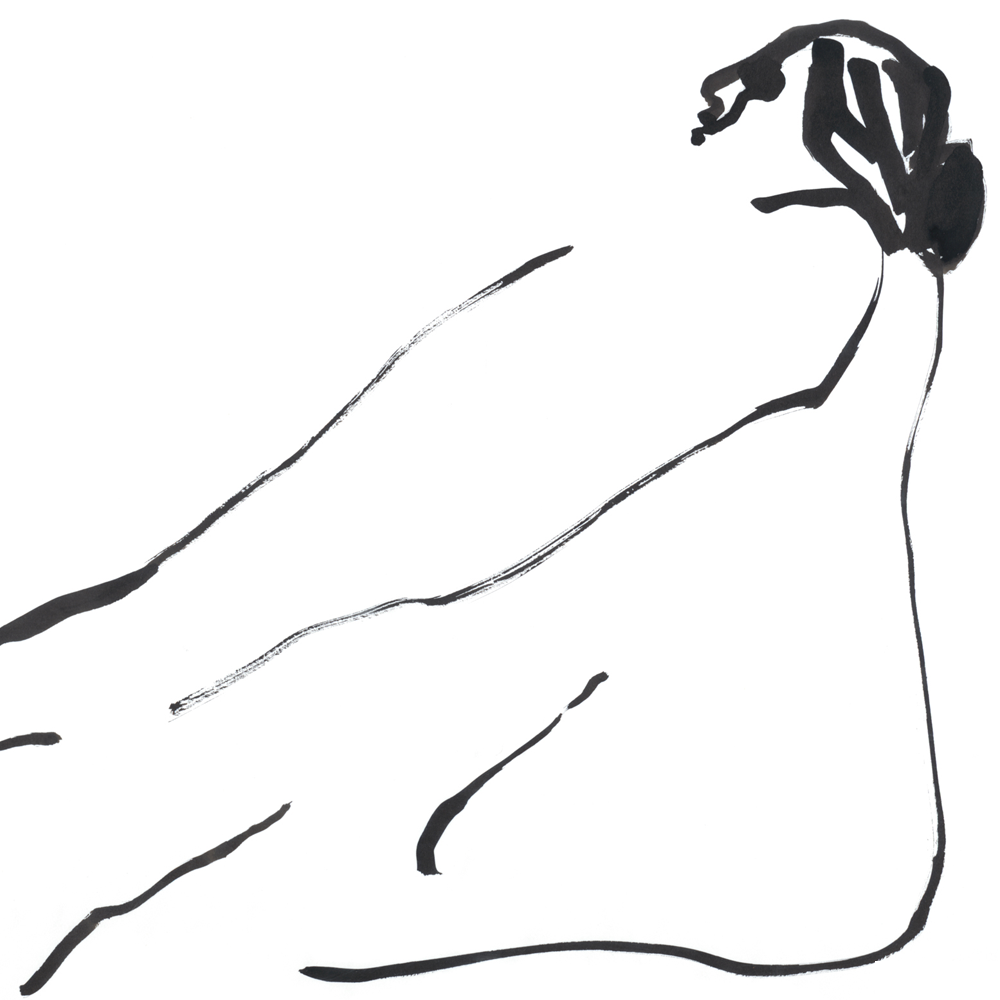
Ink
Ink can create bold line, delicate detail, or fluid tonal passages. It often reveals the confidence and economy of the artist's hand.
Ink may be applied by pen, brush, or other tool. The result can be crisp and graphic or loose and atmospheric depending on technique.
Collectors should review paper condition, ink stability, signature, and provenance. Ink works can be especially sensitive to light and handling.
A direct drawing or painting medium valued for line, contrast, and immediacy.
Medium Guide
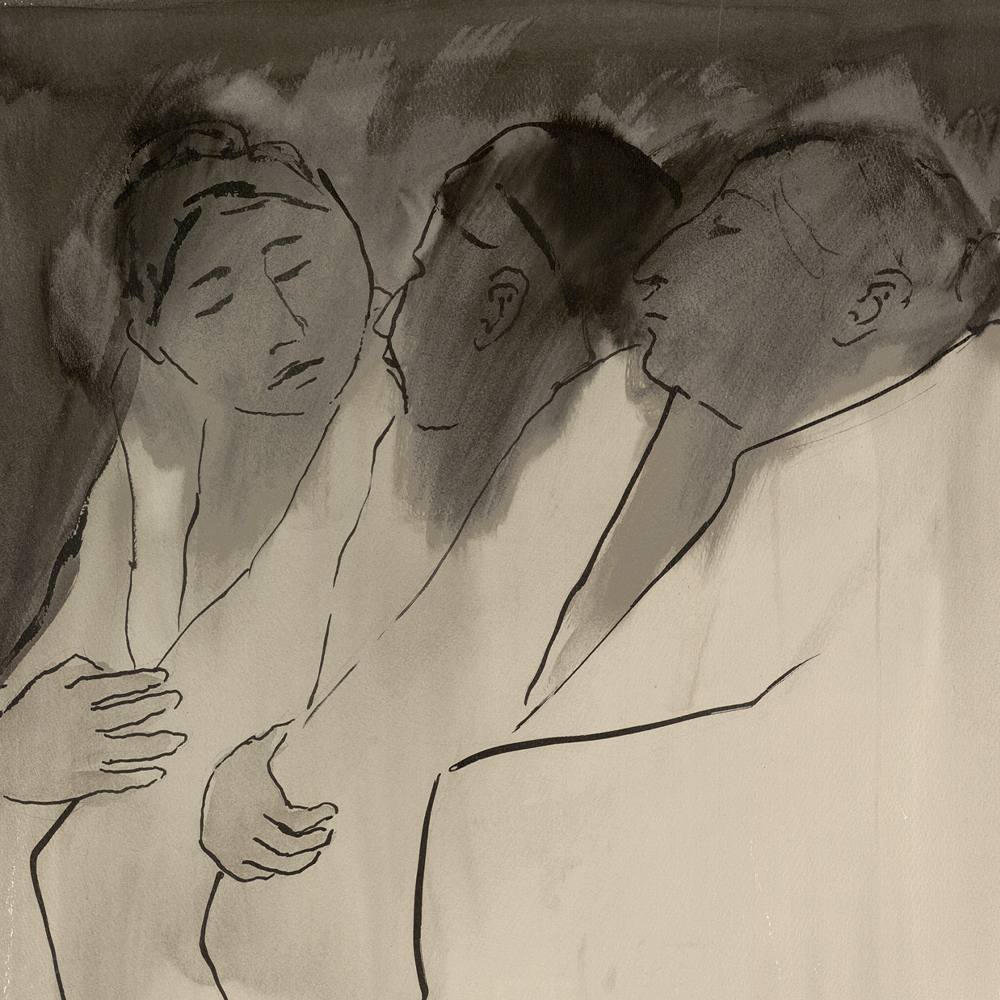
Ink Wash
Ink wash combines the clarity of ink with the softness of diluted tonal passages. It is often valued for atmosphere and restraint.
Ink is diluted and brushed in layers, allowing the artist to control value, shadow, and movement across the surface.
Paper condition, fading, and overall tonal integrity should be reviewed. Proper framing helps preserve the subtle wash surface.
Diluted ink used to build tonal range, atmosphere, and fluid shadow.
Medium Guide
Charcoal
Charcoal produces deep tonal marks and expressive surface variation. It can move from delicate line to rich shadow quickly.
Carbon-based drawing material is applied directly to paper and may be blended, erased, or fixed. The surface remains visually immediate.
Surface stability and proper framing are essential. Look for smudging, abrasion, paper condition, and evidence of careful preservation.
A drawing medium known for velvety blacks, broad tonal range, and visible gesture.
Medium Guide
Pencil
Pencil works often reveal the foundation of an artist's visual thinking. They can be quiet, refined, and highly direct.
Graphite or similar drawing material is applied to paper with pressure, line, shading, and erasure shaping the final image.
Paper condition, smudging, fixative, signature, and provenance matter. Pencil works may be intimate but can be very important within an artist's practice.
A drawing medium valued for line, study, modeling, and direct contact with the artist's hand.
Medium Guide
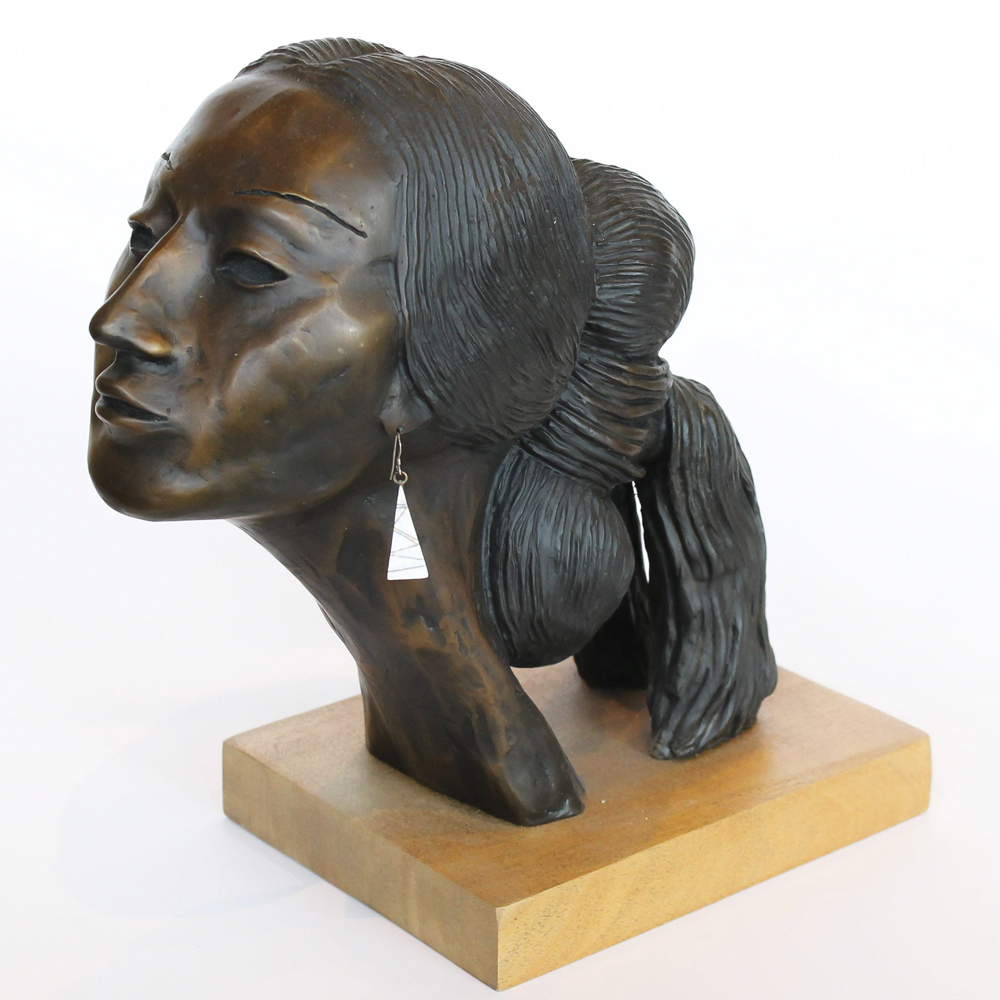
Bronze
Bronze works translate form into a durable sculptural material. Patina, casting quality, and surface finishing are part of the work's character.
Bronze is cast through a foundry process, then chased, finished, and patinated. Editioning may apply depending on the work.
Collectors should consider edition marks, foundry information, patina condition, surface wear, and provenance.
A cast sculptural medium with weight, patina, and lasting physical presence.
Medium Guide
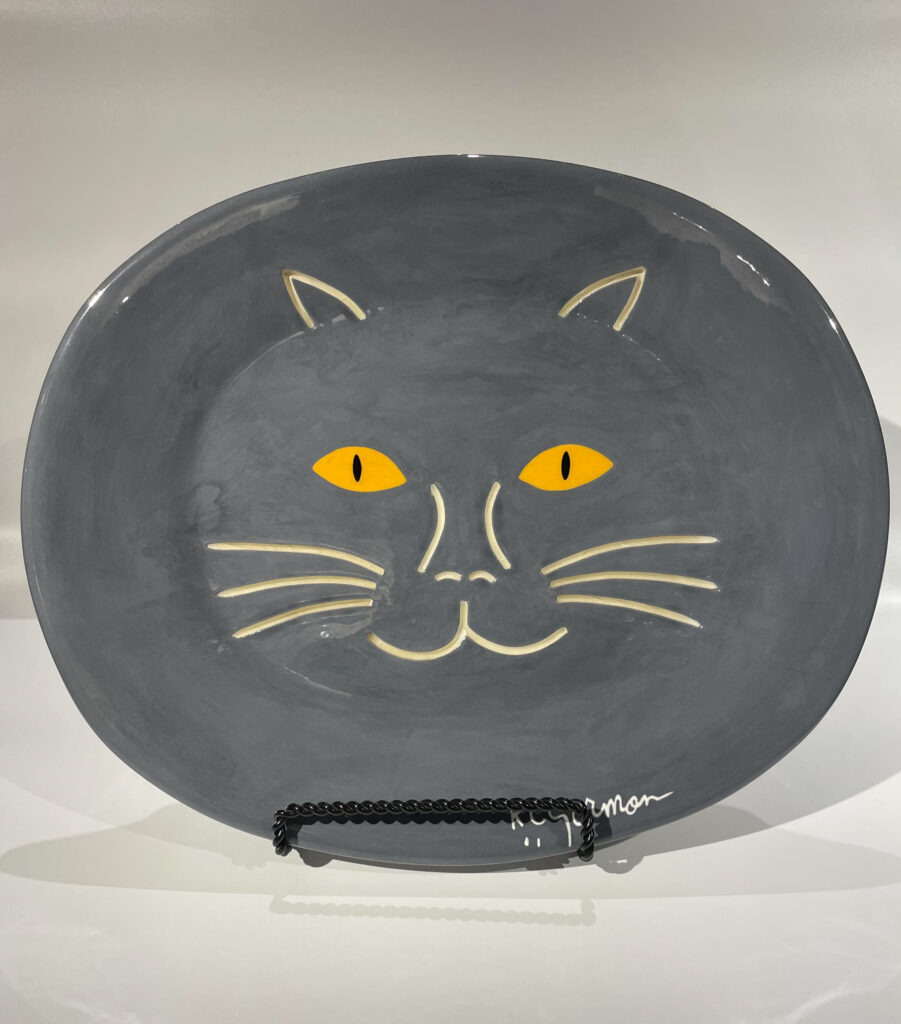
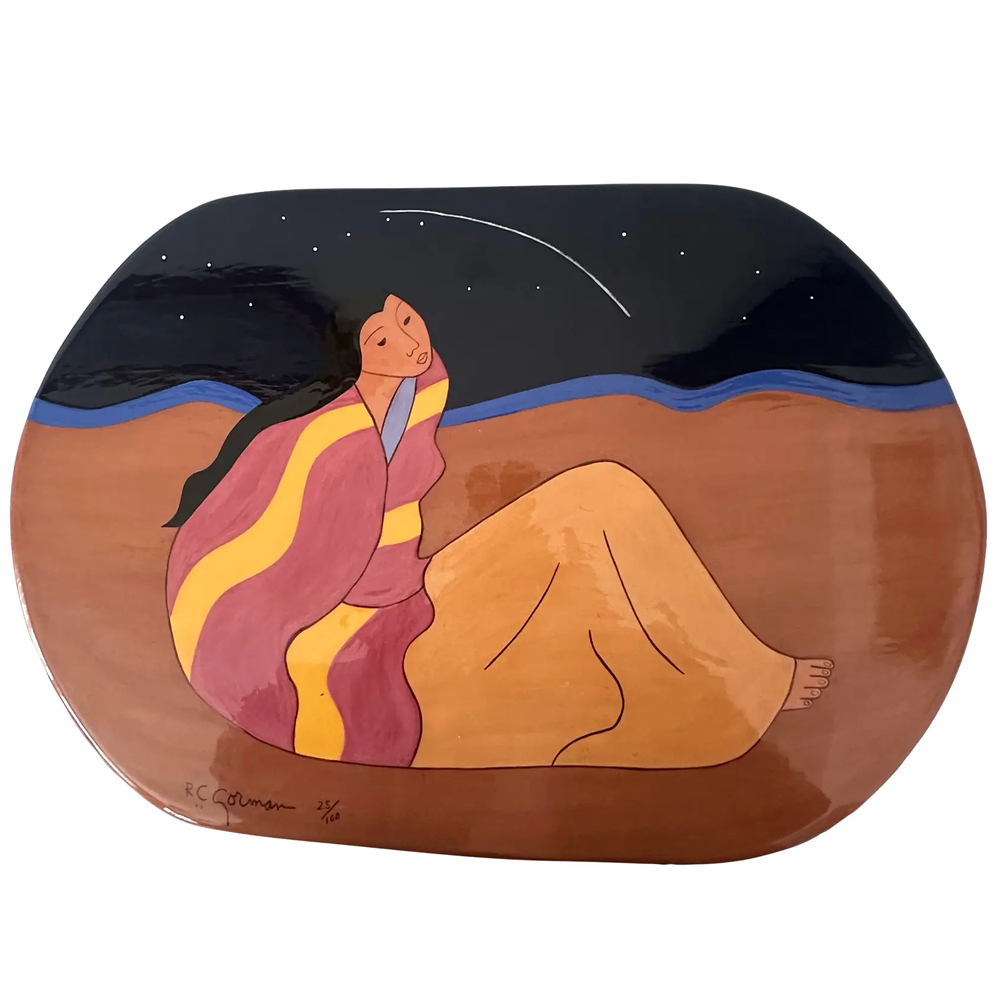
Ceramic
Ceramic works are shaped from clay and transformed by firing. Surface, glaze, form, and scale all contribute to the final object.
Clay is formed, dried, fired, and often glazed or otherwise finished. The kiln process creates permanent changes in the material.
Condition is important: chips, cracks, glaze surface, repairs, and provenance should be reviewed carefully.
A fired clay medium shaped by form, surface, glaze, and kiln transformation.
Medium Guide
Mixed Media
Mixed media works combine materials or techniques in a single artwork. Their strength often comes from layered surface, texture, and process.
The artist may combine drawing, painting, print, collage, or dimensional elements. Each material contributes differently to condition and presentation.
Collectors should evaluate each material, attachment points, surface stability, framing, and conservation needs.
A work combining more than one material or process, often creating layered surface meaning.
Medium Guide
Layered Paper
Layered paper works use paper as both support and material. Depth, edges, and shadows become part of the composition.
Cut, shaped, or stacked paper elements are assembled to create dimensional surface. Presentation and framing help protect the structure.
Condition around edges, adhesives, dimensional areas, and framing is especially important.
A paper-based dimensional medium built through layering, edge, shadow, and surface structure.
Medium Guide
Etched Glass
Etched glass uses the surface of glass as image field. Light, transparency, and edge quality become part of the viewing experience.
The surface may be cut, abraded, masked, or chemically etched to create marks and tonal differences.
Collectors should review chips, scratches, mounting, surface clarity, and display safety.
A glass medium where the surface is cut, abraded, or chemically altered to create image and light effects.
Medium Guide
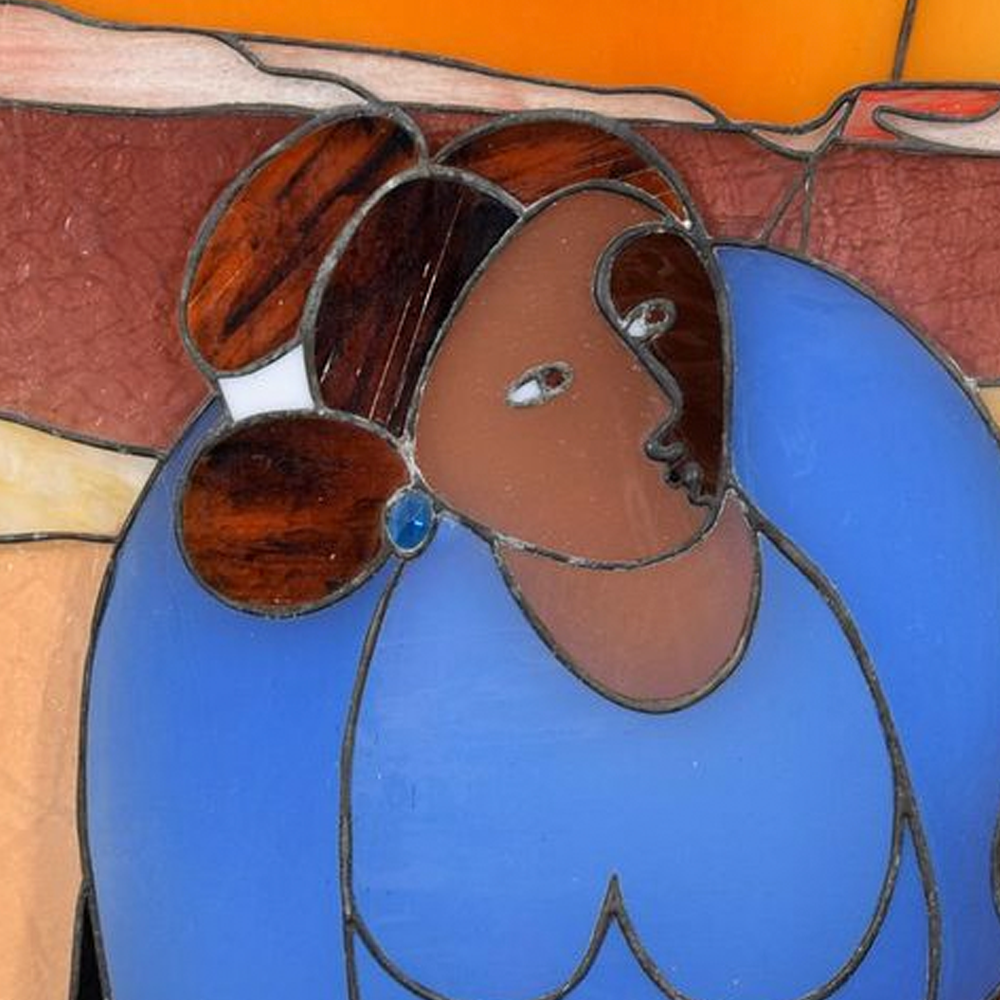
Stained Glass
Stained glass depends on transmitted light and colored glass. The work changes with placement and illumination.
Colored glass sections are cut, arranged, and joined, often with lead or other structural supports.
Look for cracks, loosened joints, surface scratches, and proper mounting. Display conditions are central to the experience.
A glass medium using color, light, and assembled form to create the final image.
Medium Guide
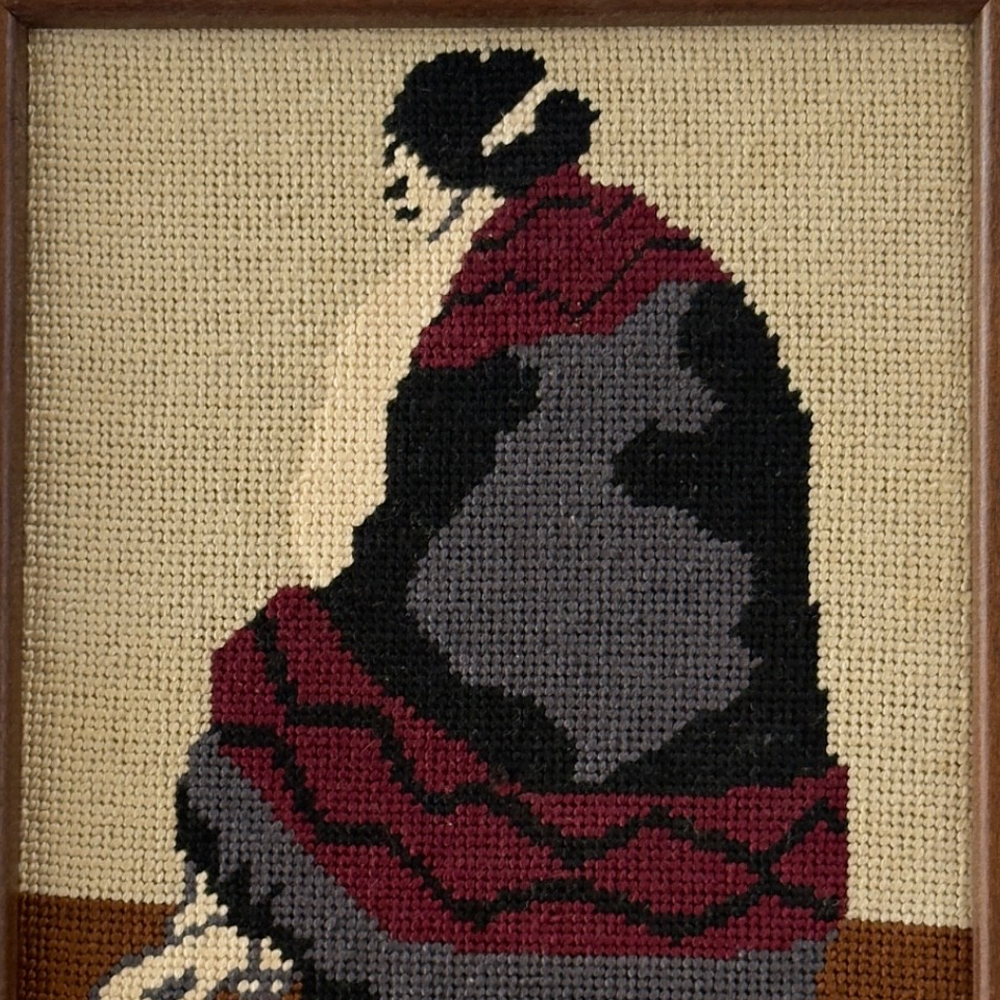
Tapestry
Tapestries translate image into textile form. Fiber, weave, scale, and hanging method all affect the work's presence.
Threads or fibers are woven or assembled to form image and structure. Color and texture are integral to the medium.
Textile condition, fading, fiber stability, hanging stress, and provenance are important.
A textile medium where image, fiber, weave, and scale shape the viewing experience.
Medium Guide
Wool Tapestry
Wool tapestries bring fiber, texture, and scale into the artwork. The material gives the image a tactile presence.
Wool fibers are woven or assembled into a textile image. Color, weave density, and surface texture influence the final work.
Collectors should review fiber condition, fading, edge stability, hanging method, and evidence of careful preservation.
A wool-based textile work with warmth, texture, and woven surface depth.
Medium Discovery
Explore nearby processes and artwork paths.
After reviewing a medium above, use these compact cards to compare related processes, see artwork examples, and move deeper into the gallery without losing the learning context.
Printmaking & Editions
Hand-pulled and editioned works where process, registration, paper, signature, and numbering guide collector comparison.
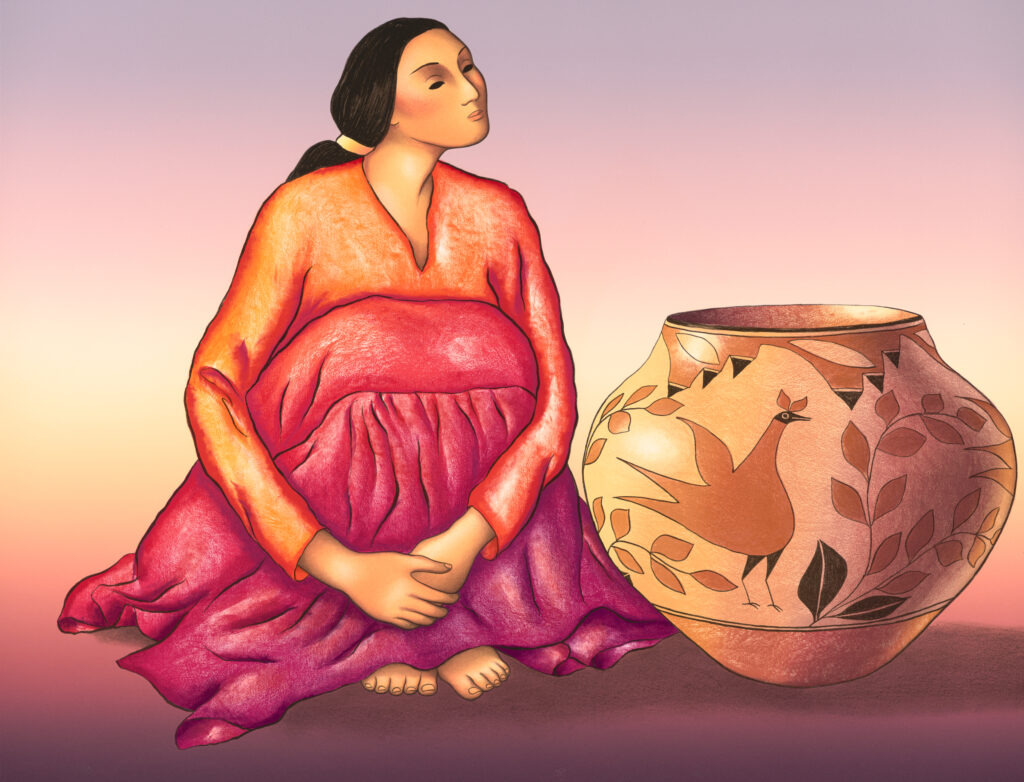
Stone Lithograph
A hand-pulled print made from an artist-drawn stone or plate, valued for tonal range, color layering, and the presence of the artist's hand.
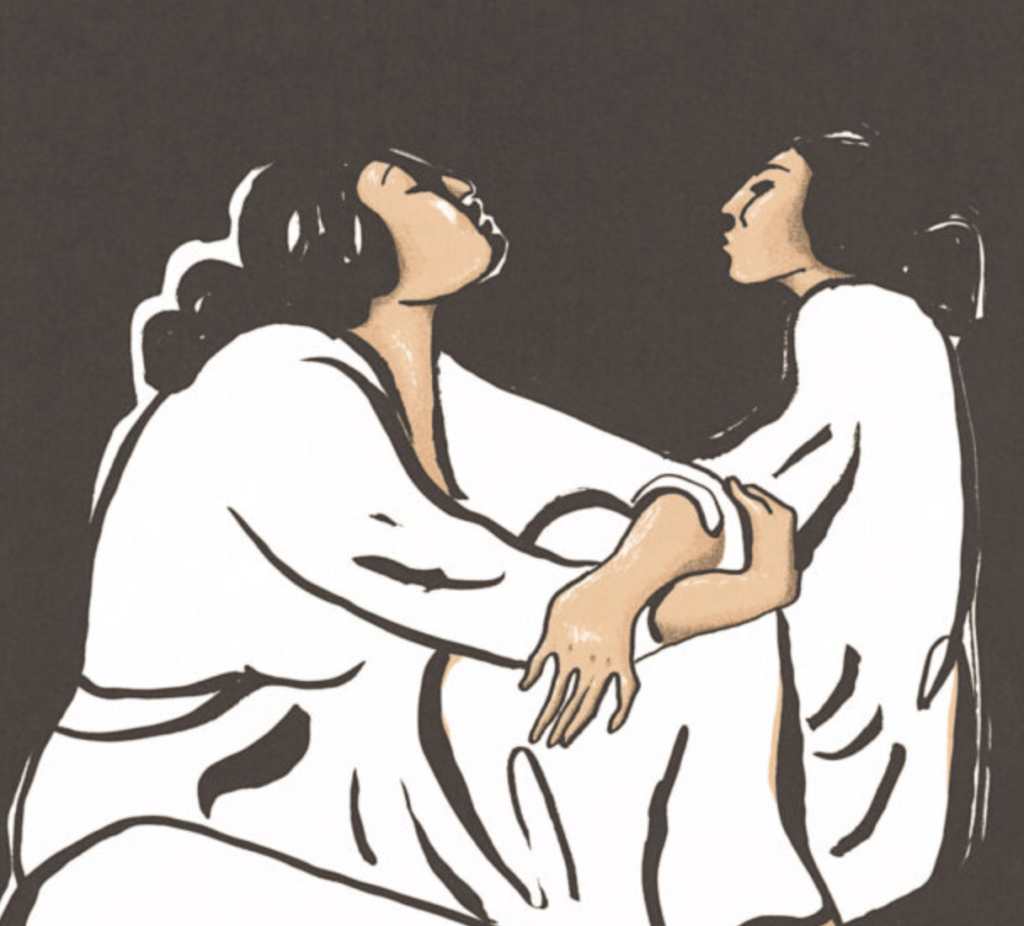
Serigraph
A screenprint built in layers of ink, often recognized for crisp shapes, saturated color, and graphic clarity.
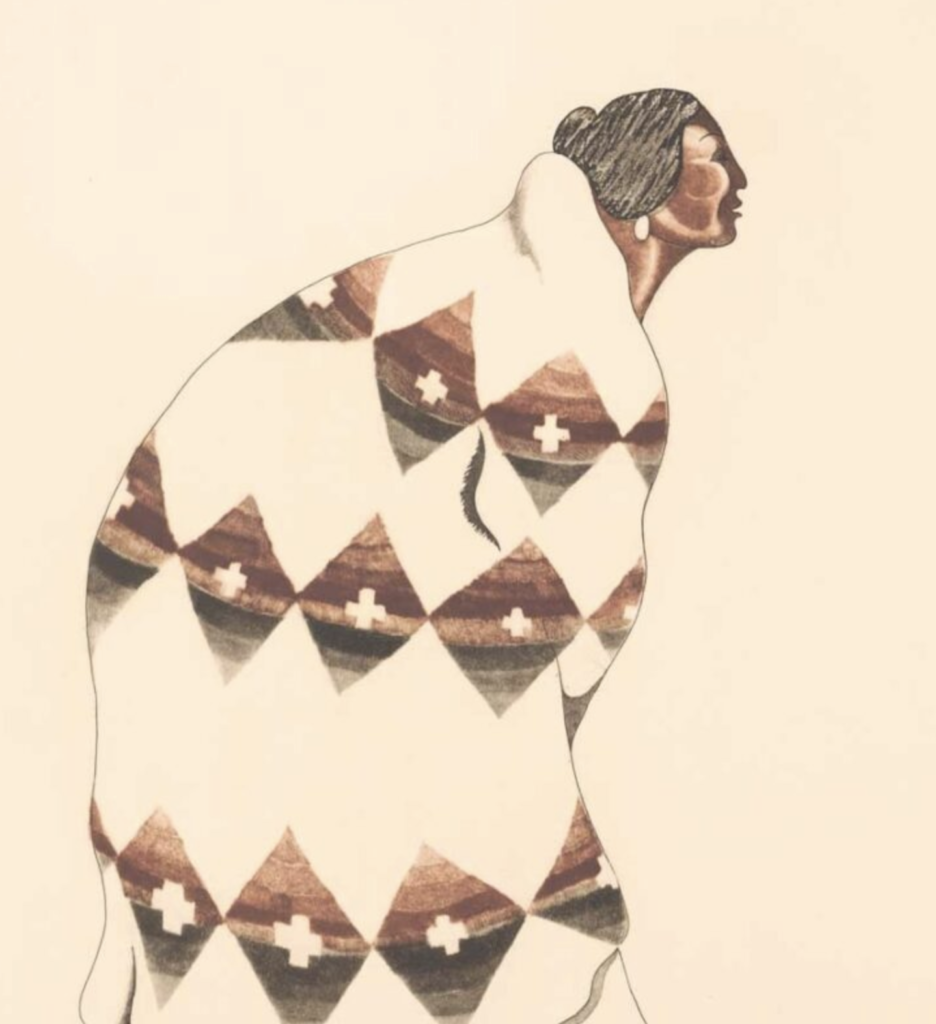
Etching
An intaglio printmaking method known for delicate line, plate tone, and subtle surface depth.
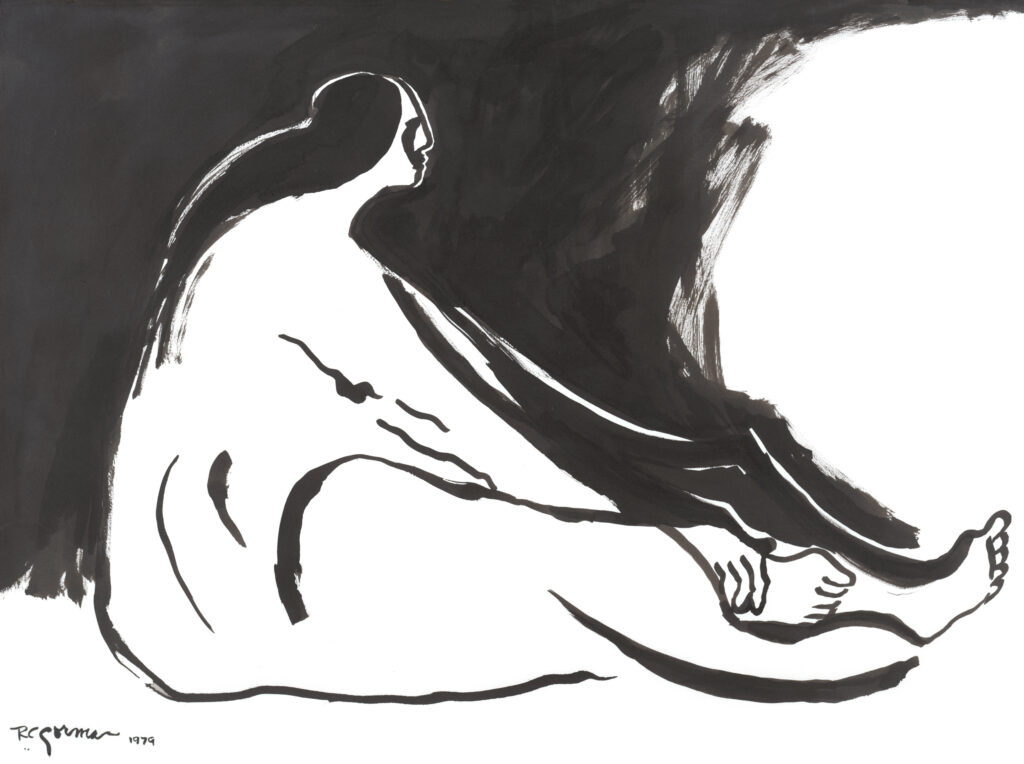
Monoprint
A one-of-a-kind print that combines printmaking structure with painterly variation.
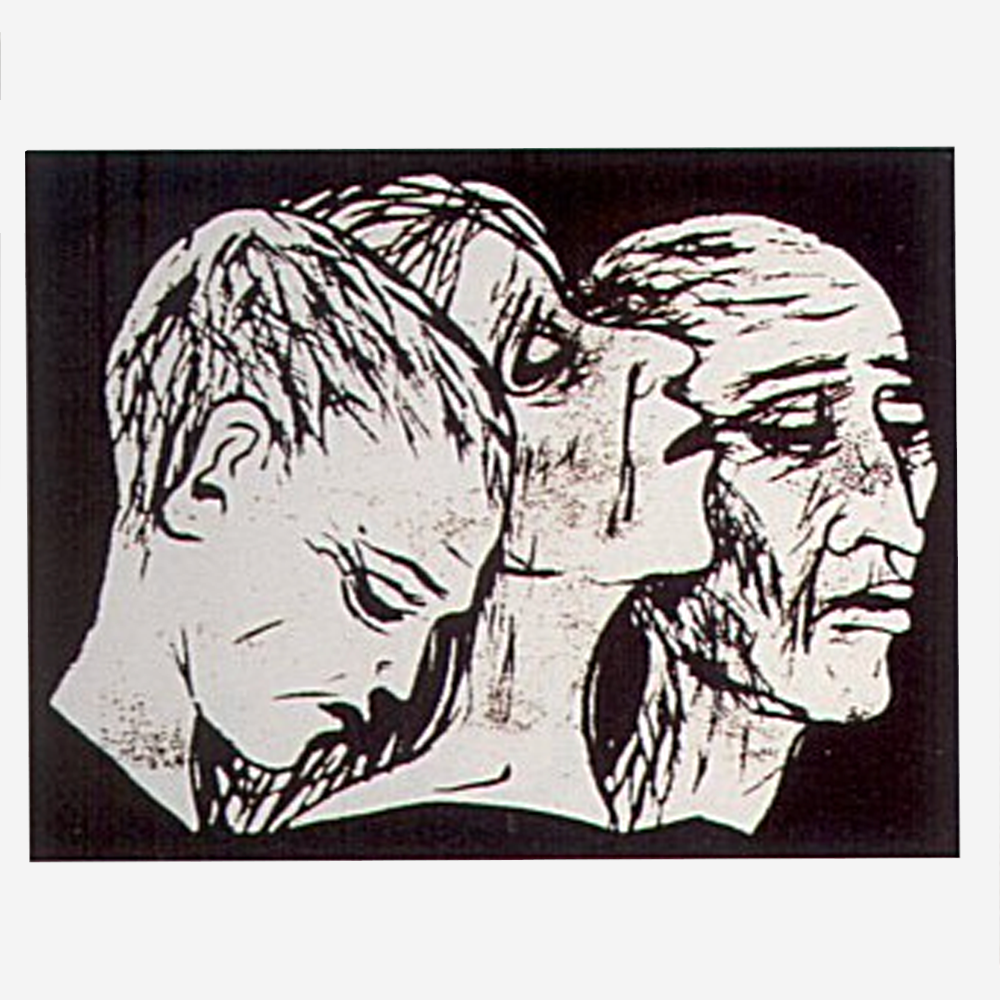
Linocut
A relief print made from a carved linoleum block, often marked by bold edges and strong contrast.
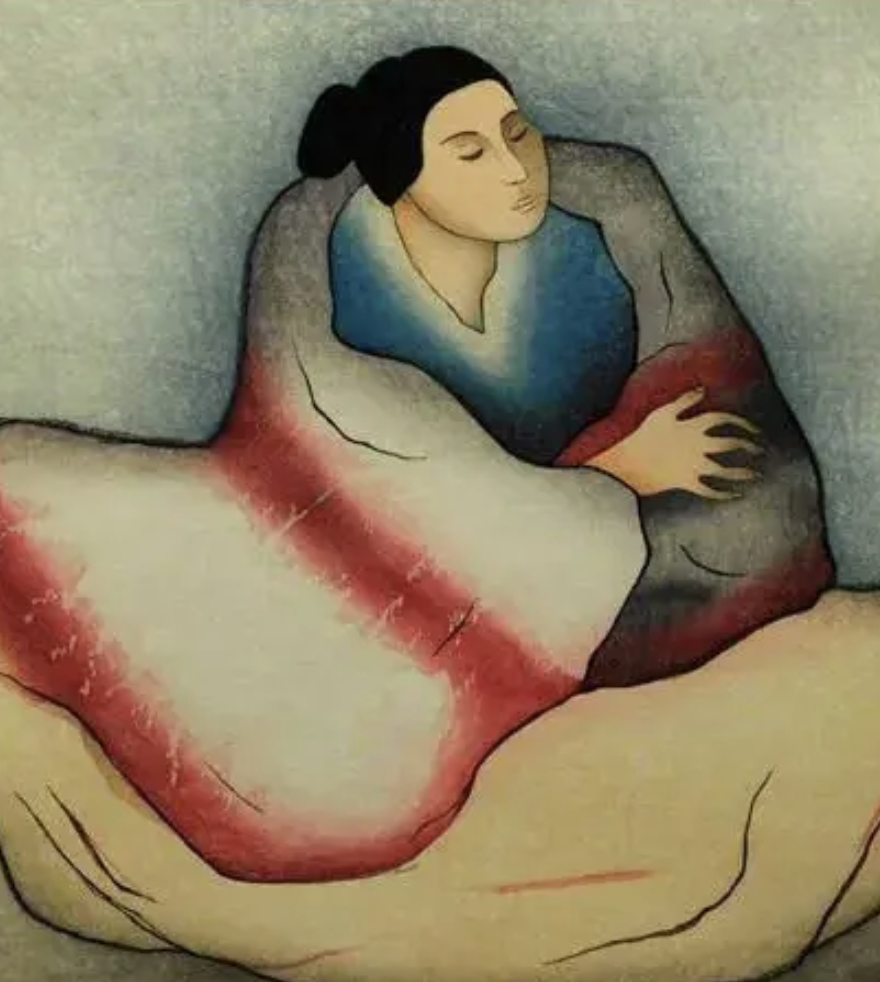
Woodblock
A relief print carved from wood, valued for texture, contrast, and the character of the block.
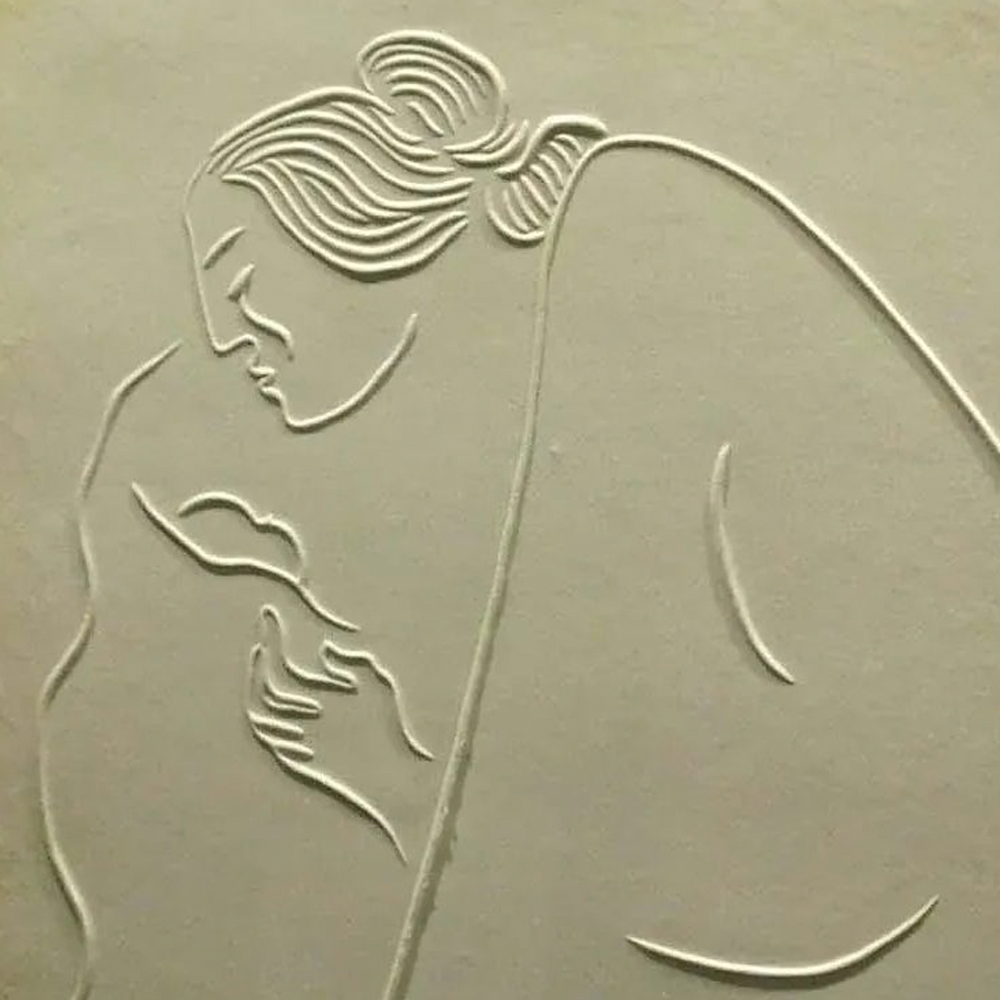
Papercast
A dimensional paper work formed from pulp or cast paper, giving the surface sculptural presence.
Painting & Drawing
Direct studio mediums where gesture, pigment, paper, and surface condition are often the central experience.
Acrylic Paintings
Original paintings made with acrylic pigment, often carrying vivid color, layered surfaces, and crisp form.
Oil Pastel
A direct drawing medium with dense pigment, soft blending, and expressive surface marks.
Watercolor
A transparent painting medium valued for luminosity, fluid washes, and paper sensitivity.
Wash
A fluid application of diluted pigment or ink, often used for tone, atmosphere, and soft transitions.
Ink
A direct drawing or painting medium valued for line, contrast, and immediacy.
Ink Wash
Diluted ink used to build tonal range, atmosphere, and fluid shadow.
Charcoal
A drawing medium known for velvety blacks, broad tonal range, and visible gesture.
Pencil
A drawing medium valued for line, study, modeling, and direct contact with the artist's hand.
Mixed Media
A work combining more than one material or process, often creating layered surface meaning.
Dimensional & Material Works
Objects and surfaces where depth, material stability, edges, mounting, and display conditions deserve close attention.
Bronze
A cast sculptural medium with weight, patina, and lasting physical presence.
Ceramic
A fired clay medium shaped by form, surface, glaze, and kiln transformation.
Layered Paper
A paper-based dimensional medium built through layering, edge, shadow, and surface structure.
Etched Glass
A glass medium where the surface is cut, abraded, or chemically altered to create image and light effects.
Stained Glass
A glass medium using color, light, and assembled form to create the final image.
Textile & Specialty Formats
Collectible formats and specialty processes where image, context, production method, and preservation shape the experience.
Tapestry
A textile medium where image, fiber, weave, and scale shape the viewing experience.
Wool Tapestry
A wool-based textile work with warmth, texture, and woven surface depth.